Could Histamine Be Behind Your Anxiety? What You Need to Know

If you have been living with anxiety that doesn’t quite make sense, the kind that arrives without a clear psychological trigger, feels physical rather than emotional, and hasn’t responded to the usual advice about stress management or breathing exercises…there may be something your GP hasn’t yet considered. It is called histamine sensitivity, and its connection to anxiety is one of the most underrecognised patterns.

What Is Histamine, and Why Does It Matter for Your Brain?

Most people have heard of histamine in the context of hay fever or  allergies. What far fewer people know is that histamine is also an important chemical messenger in the brain that plays a direct role in your mood, your energy levels, your ability to concentrate, and crucially, your anxiety.
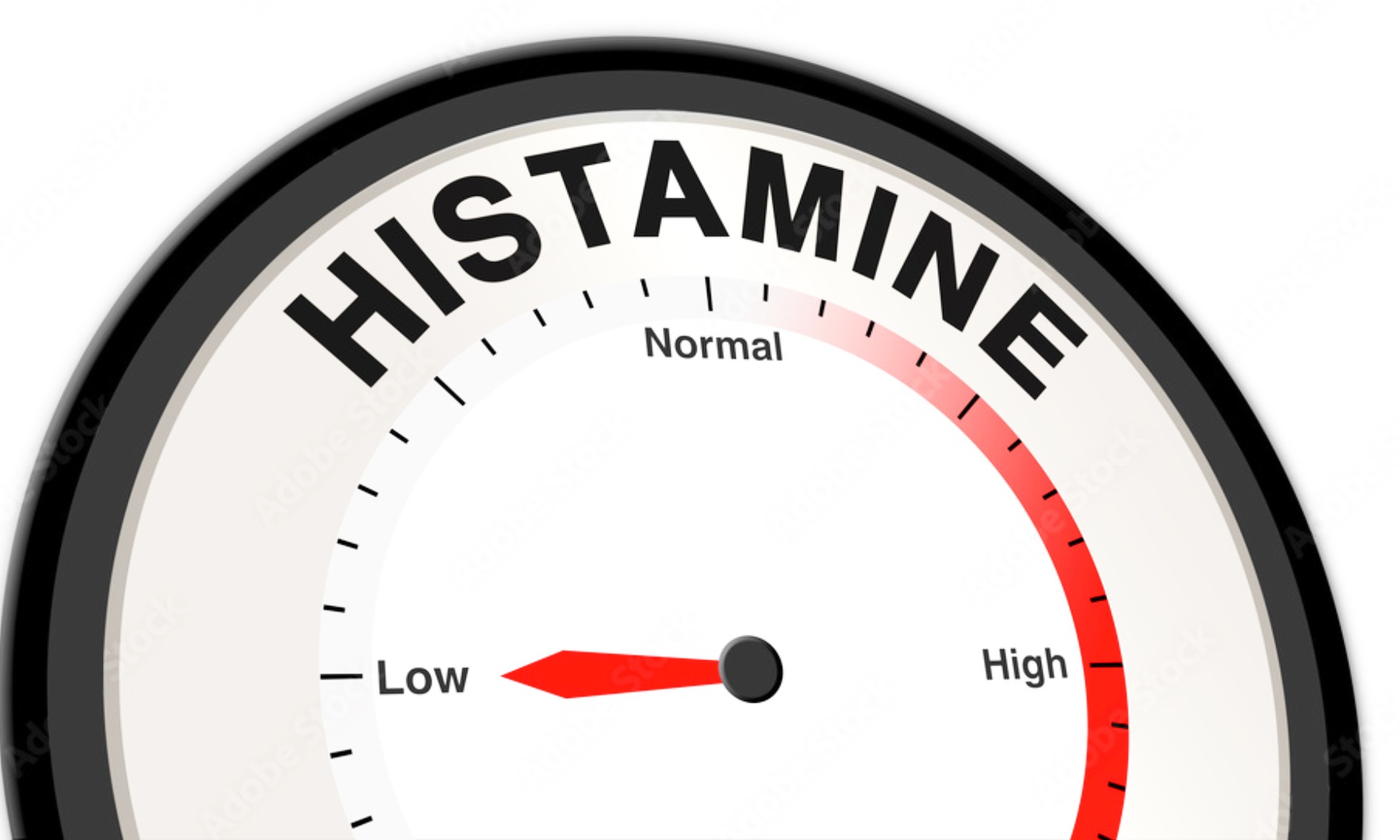
In the brain, histamine acts as a stimulant. It is one of the primary chemicals responsible for keeping you awake, alert and mentally active. Under normal circumstances, this is a good thing. The problem begins when histamine levels become too high, or when your body cannot clear it efficiently. When that happens, the brain remains in a state of heightened arousal even when there is nothing to be aroused about. That low-grade, free-floating sense of dread that many people with anxiety describe? For a significant number of them, histamine overload is a contributing cause (Haas and Panula, 2003).

How Histamine Interferes with Serotonin

One of the most important ways histamine affects mental health is through its relationship with serotonin, the neurotransmitter most people associate with feeling calm, happy and emotionally balanced.
Research has shown that elevated brain histamine levels actively suppress serotonin signalling (Iyer et al., 2015). Think of it like histamine turning down the volume on your brain’s natural calming system. This is why people with histamine sensitivity often experience not just anxiety, but a combination of anxiety, low mood and emotional fragility that appears together and that does not respond well to standard advice, because the underlying cause is biochemical, not psychological.
This interaction also helps explain why some people taking antidepressants find they only partially work, or stop working over time. If histamine is blocking serotonin from doing its job, addressing the histamine load, through diet, gut health and nutritional support, may be the missing piece (Iyer et al., 2015).

The Mast Cell Connection

To understand where all this histamine comes from, it helps to know about mast cells. These are specialised immune cells found throughout your body -in your gut, your skin, your airways and, importantly, your brain. When your immune system perceives a threat, whether that is a food trigger, a pathogen, a stressful event, or even a hormonal shift, mast cells release a burst of histamine as part of the alarm response.
In people with histamine sensitivity or mast cell activation syndrome (MCAS), these cells are overreactive. They fire too easily and too frequently, flooding the system with histamine in response to triggers that would not bother most people. Research has shown that this kind of mast cell overactivity in the brain directly generates anxiety-like responses independently of what is happening in the person’s external life (Nautiyal et al., 2008).
What makes this particularly difficult to spot is the stress loop it creates. Anxiety activates the body’s stress response, which triggers more mast cell activity, which releases more histamine, which heightens arousal and worsens anxiety. Without understanding this cycle, many people find themselves in a spiral that no amount of mindset work or lifestyle adjustment can fully resolve.

The Gut Is Usually Where It Starts

For most people with histamine sensitivity, the root of the problem lies in the gut. Your digestive system contains an enzyme called DAO (diamine oxidase) that is specifically designed to break down histamine from food before it enters your bloodstream. When your gut is healthy and functioning well, this system efficiently handles most dietary histamine.
But when the gut lining is damaged — through inflammation, a history of antibiotics, stress, or certain medications (including the contraceptive pill) DAO production falls. Histamine from food is no longer cleared properly, accumulates in the blood, and eventually reaches the brain (Schnedl and Enko, 2021). Research has also found that an imbalanced gut microbiome, with an excess of histamine-producing bacteria, further drives this accumulation, even in people who don’t have a diagnosed DAO deficiency (Hrubisko et al., 2021).
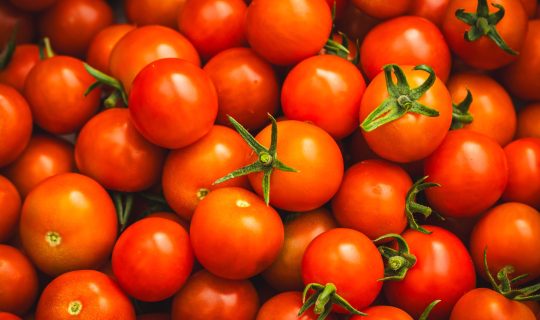
This gut-to-brain pathway explains why histamine-driven anxiety often has a dietary pattern to it. Reactions after wine or beer, after fermented foods like kombucha or sauerkraut, after aged cheeses, tomatoes and aubergines, or after a restaurant meal of slow-cooked foods, are all classic triggers because all of these foods are either naturally high in histamine or are produced in ways that generate large amounts of it.

Why Women Are Particularly Affected

If you have noticed that your anxiety, irritability and emotional sensitivity are significantly worse in the week before your period, histamine may be a key part of the explanation. Oestrogen, which peaks just before ovulation and fluctuates dramatically during perimenopause, directly stimulates mast cells to release more histamine. At the same time, histamine signals the ovaries to produce more oestrogen, a self-reinforcing loop (Maintz and Novak, 2007).
This bidirectional relationship means that women approaching perimenopause often find their histamine symptoms intensify, including anxiety, at exactly the stage of life when they are most likely to be told that what they are experiencing is simply hormonal and to be offered no further investigation.

What Can Be Done

The encouraging thing about histamine-driven anxiety is that it responds well to a targeted, root-cause approach. Reducing the dietary histamine load – focusing on fresh, simply prepared foods, avoiding fermented products, alcohol, aged proteins and slow-cooked dishes – takes significant pressure off the system in the short term. Quercetin, a natural plant compound found in broccoli, kale and apples, has been shown to stabilise mast cells and support a calmer immune and nervous system response (Bhutada et al., 2010). Magnesium glycinate supports stress resilience and nervous system regulation, while vitamin D plays an important role in keeping the immune system, and mast cells, from overreacting.
toLonger-term, the focus shifts to restoring gut health, supporting liver detoxification, and addressing any hormonal factors that may be perpetuating the histamine-oestrogen loop. This is work that benefits from professional guidance, because the picture is often individual and multi-layered.
If you have recognised yourself in any of the patterns described here such as anxiety with physical symptoms, dietary triggers, cyclical worsening or years of being told nothing is wrong, working with a nutritional therapist who specialises in histamine sensitivity could be a genuinely important step forward.
Get in touch to book a free discovery call to start working together to address your histamine sensitivity!

References

Bhutada, P. et al. (2010) ‘Reversal of aluminium-induced anxiety by quercetin in mice’, Pharmacological Reports, 62(3), pp. 371–377.
Haas, H.L. and Panula, P. (2003) ‘The role of histamine and the tuberomamillary nucleus in the nervous system’, Nature Reviews Neuroscience, 4(2), pp. 121–130.
Hrubisko, M. et al. (2021) ‘Histamine intolerance — the more we know the less we know: a review’, Nutrients, 13(7), p. 2228.
Iyer, A. et al. (2015) ‘Brain histamine is crucial for selective serotonin reuptake inhibitors’ behavioral and neurochemical effects’, International Journal of Neuropsychopharmacology, 18(10), p. pyv045.
Maintz, L. and Novak, N. (2007) ‘Histamine and histamine intolerance’, American Journal of Clinical Nutrition, 85(5), pp. 1185–1196.
Nautiyal, K.M. et al. (2008) ‘Brain mast cells link the immune system to anxiety-like behavior’, Proceedings of the National Academy of Sciences, 105(46), pp. 18053–18058.
Schnedl, W.J. and Enko, D. (2021) ‘Histamine intolerance originates in the gut’, Nutrients, 13(4), p. 1262.