Why “Healthy” Foods Are Making You React: Histamine Sensitivity Explained

You’ve done everything right. You’re eating salmon, spinach, avocado and bone broth. You’ve cut out processed foods and taken up fermented vegetables and kombucha. And yet you’re itching, bloating, waking at 3am and feeling more exhausted than ever.
If this sounds familiar, you’re not imagining it. And your body isn’t broken. What you may be experiencing is histamine sensitivity and ironically, many of the foods considered healthiest can be the very ones driving your symptoms.

What is histamine, and why does it matter?

Histamine is a chemical compound produced by your immune system’s mast cells. It plays an important role in regulating sleep, digestion, mood and immune responses – in other words, it’s involved in virtually every system of the body.
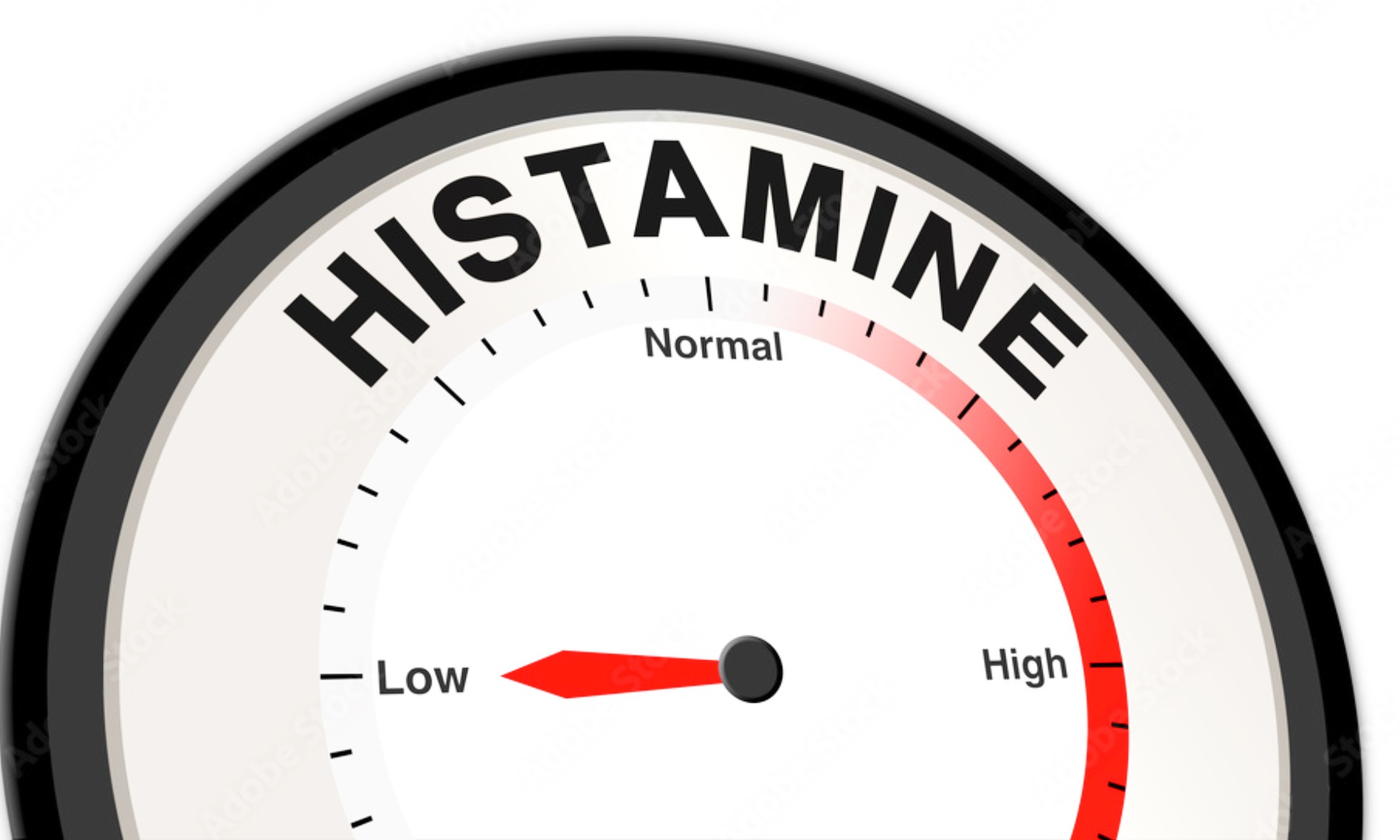
When your body detects a threat, mast cells release histamine as an alarm signal, calling more immune cells to the site. This is a completely normal and necessary process for the body to defend itself against a threat. The issue begins when histamine accumulates faster than your body can clear it.
Think of it as a bucket. Throughout the day, histamine enters your bucket from multiple sources: food, stress, hormones, and environmental triggers. Your body has natural mechanisms to empty the bucket: an enzyme called DAO (produced in the gut) and a liver detoxification process called methylation. When those mechanisms are compromised, the bucket overflows and that’s when symptoms appear.

Why “healthy” foods are often the worst culprits

Here is where histamine sensitivity becomes genuinely confusing: histamine content in food isn’t just about the food itself. It’s about how that food has been processed, cooked, stored and preserved.
Bacteria naturally present in food convert an amino acid called histidine into histamine over time. The longer food is processed, fermented, aged or stored, the higher the histamine content. This is why certain foods celebrated for their health benefits are among the highest in histamine.
Fermented foods such as kombucha, sauerkraut, kefir, yoghurt, miso, olives and pickles, are produced through extended fermentation, which dramatically increases their histamine content. Bone broth, often recommended for gut healing, is slow-cooked for hours, giving bacteria extended time to produce histamine. Smoked salmon is cured and aged – a far higher-histamine choice than a freshly cooked fillet of fresh fish. Spinach and avocado are naturally high in histamine, as are tomatoes in all their forms.
Even leftovers can be a problem. A freshly cooked piece of chicken is well tolerated by most people with histamine sensitivity. The same chicken, reheated from the fridge two days later, may trigger a reaction, because histamine levels continue to rise during storage.

The symptoms that get dismissed

Because histamine affects so many body systems simultaneously, the symptom picture is wide and easily misattributed to other conditions.
In the gut, histamine causes contractions of the intestinal muscles, contributing to bloating, cramps, nausea and pain frequently labelled as IBS. In the skin, it triggers the itching, flushing and rashes familiar to anyone with hay fever. In the brain, excess histamine displaces serotonin from its receptors, contributing to low mood, anxiety and the inability to concentrate. It also disrupts REM sleep architecture, producing the fragmented, unrefreshing sleep that leaves sufferers exhausted even after a full night in bed.
Something that not many know is that histamine is deeply connected to oestrogen. Oestrogen stimulates mast cells to release more histamine, while histamine in turn stimulates oestrogen production. This loop explains why so many women find their symptoms worsen in the week before their period, or as they approach perimenopause, when oestrogen peaks can be higher. It also explains why these symptoms are so often dismissed as “just hormones.”

What can be done

The good news is that histamine sensitivity is not a life sentence of food restriction. The goal is not to avoid histamine forever, it is to reduce the load on your system while addressing the underlying reasons your body can’t clear histamine effectively.
This means supporting gut health to restore DAO production, optimising liver detoxification through nutrition and targeted nutrients, addressing the hormone-histamine connection and reducing lifestyle triggers such as chronic stress. Practical dietary changes such as eating food as fresh as possible, freezing rather than refrigerating leftovers, choosing fresh proteins over cured or smoked versions  can provide significant relief while the deeper work is underway.
Most importantly, the aim is to expand your diet over time, not restrict it further.